
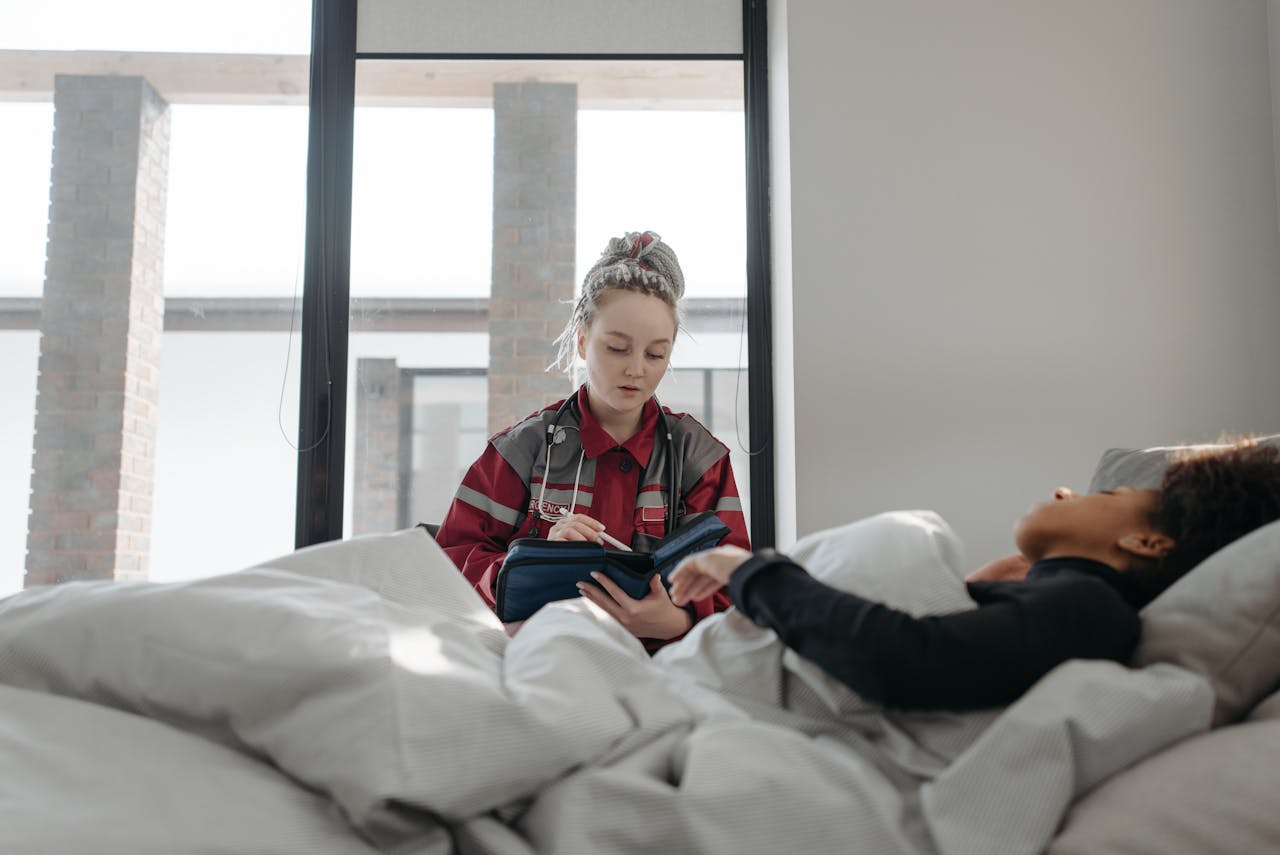
Creating a Recovery-Friendly Home Environment After Injury or Surgery
Recovering at home after surgery or an injury can be overwhelming. The body is healing, mobility may be limited, and daily tasks suddenly require more effort. Creating a home environment that supports recovery is not just helpful it’s necessary. A well-prepared space can reduce stress, lower the risk of complications, and help the recovery process feel more manageable. The goal is to build a space that’s both functional and comforting, guided by practical tips for accessible everyday living that address real needs during healing.
Rearranging for Easy Movement
The first step is simplifying your surroundings. Clear pathways are essential. Remove any obstacles that could cause a fall or delay movement. This includes rugs that slide, low furniture, and narrow spaces. Recovery often comes with reduced balance, slower movements, or the need for assistive devices. Rearranging furniture to widen walkways ensures safer transitions from room to room. It also saves energy, which is especially valuable when mobility is limited.
Adapting Daily Living Spaces
After an injury or surgery, basic tasks like getting dressed or making a meal can become difficult. Simple changes can make a big impact. Placing frequently used items at waist height reduces the need to reach or bend. This might include kitchenware, toiletries, and clothing. Installing temporary grab bars or rails in key areas such as bathrooms and near beds adds security. Even small modifications like non-slip mats or a handheld shower can support daily independence.

Making the Bedroom a Healing Zone
Rest is a vital part of recovery, and the bedroom plays a central role in that. The bed should be easy to get in and out of. If needed, use risers or adjustable frames to reach a more comfortable height. A bedside table with essentials like water, medication, and a phone prevents the need for frequent trips. Good lighting is also important, especially for night-time movements. These small details create a peaceful and practical recovery space.
Focusing on Comfort and Pain Management
Comfort is not a luxury it’s essential for healing. Choose seating that offers proper support. Add cushions where needed to reduce pressure on sore areas. Temperature control also plays a part. A space that’s too hot or cold can increase discomfort. If possible, set up in a quiet area of the home. Reducing noise and distractions makes it easier to rest and follow routines. These adjustments don’t need to be expensive, just thoughtful.
Incorporating Accessibility Tools
Sometimes recovery requires equipment. Items like walkers, wheelchairs, or medical devices need space and power access. Plan for this by rearranging furniture or adding extension cords where safe. Ensure doorways are wide enough and floors are smooth. Accessibility tools are only helpful if the home accommodates them properly.
Encouraging Independence and Routine
Healing is not only physical it’s also emotional. Feeling helpless can slow progress. That’s why encouraging independence matters. Set up spaces that allow the recovering person to do as much as possible on their own. Whether that means reaching for their own clothes, using the bathroom without assistance, or making a simple snack, these small wins build confidence. Routines bring structure, and the structure helps the body and mind move toward recovery with purpose.
In Conclusion
A recovery-friendly home doesn’t require a full renovation. It requires awareness, planning, and care. The changes made should focus on safety, comfort, and function. By adjusting the space to meet current limitations, you support healing in a way that feels respectful and practical. Every recovery journey is different, and the home should reflect that. With the utmost attention to detail and a commitment to comfort, a well-prepared home becomes a powerful partner in the healing process. Let me know if you’d like this tailored to a specific audience (e.g. elderly, post-surgery patients, or caregivers).